Business Name: BeeHive Homes of Abilene
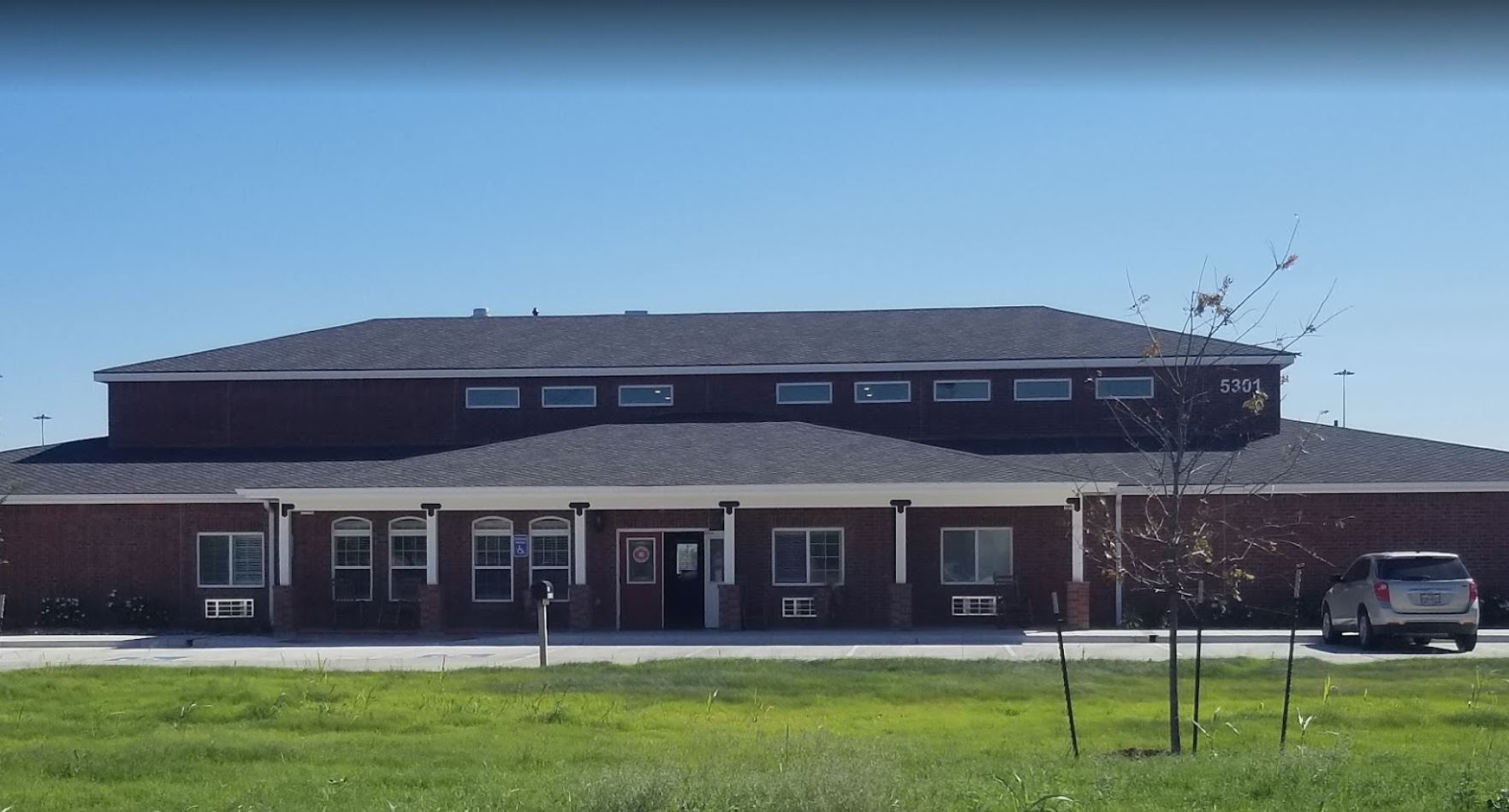
Address: 5301 Memorial Dr, Abilene, TX 79606
Phone: (325) 225-0883
BeeHive Homes of Abilene
BeeHive Homes of Abilene care is ideal for those who value their independence but require help with some of the activities of daily living. Residents enjoy 24-hour support and caring assistance.
5301 Memorial Dr, Abilene, TX 79606
Business Hours
Monday thru Sunday: 9:00am to 5:00pm
Facebook: https://www.facebook.com/BeeHiveHomesAbilene
YouTube: https://www.youtube.com/@WelcomeHomeBeeHiveHomes
Families seldom call me due to the fact that of medication schedules or shower difficulties. They call because a parent is alone, not eating well, missing out on appointments, and silently losing interest in life. The Activities of Daily Living, or ADLs, are usually the noticeable problem. Solitude is the part that keeps them up at night.
Small senior care homes, sometimes called residential care homes or board-and-care homes, sit at the intersection of these two truths. They provide hands-on aid with bathing, dressing, toileting, transfers, and meals, yet they feel closer to an extended family home than a center. Over the years, I have actually seen these smaller settings alter the trajectory for older grownups who had nearly quit, particularly those who had a hard time in larger assisted living communities.
This is not magic. It originates from scale, style, and habits of life that are much harder to maintain in a structure with a hundred doors and a rotating cast of staff.
The quiet cost of loneliness in late life
Loneliness in older adults is not just "feeling a bit down." Research study has actually regularly linked persistent social seclusion with higher risks of dementia, depression, falls, and hospitalization. I have dealt with elders who technically had every service lined up - home health, meal delivery, weekly house cleaning - yet they still decreased due to the fact that they spent 22 hours a day alone in a recliner.
ADLs and loneliness feed each other. When self-care becomes hard, individuals withdraw. They might avoid social events to prevent the shame of incontinence or needing assist with transfers. They stop preparing due to the fact that it feels frustrating, then drop weight and energy, which makes it even harder to head out. Ultimately, a once-social individual can appear like a "homebody" or "stubborn" when the genuine problem is that self-reliance has become too heavy to carry alone.
Any serious senior care strategy has to deal with both sides: practical support with ADLs and meaningful human connection. Small care homes are built in a way that makes that mix more natural.
What "small senior care home" really means
Families sometimes confuse senior care terms, so it assists to be clear. A small care home is typically a home in a residential neighborhood that has actually been licensed to offer elderly care to a minimal number of locals, frequently in between 4 and 10. Laws and names differ by state. These homes sit someplace in between standard assisted living and individually home care.
They are not nursing homes. A lot of do not provide intricate medical interventions or on-site physicians. Instead, they focus on personal care, security, medication management, and day-to-day support. Homeowners may need aid with bathing, dressing, and medication pointers, or they may need hands-on assistance with transfers and toileting.
I frequently explain small homes in this manner: envision if you took the "care" part of assisted living and put it inside a routine house, with a tiny census and shared living spaces. That structure modifications almost whatever about how solitude and ADLs are handled.
Why larger settings typically fight with loneliness
Large assisted living neighborhoods play an important function, and for some elders they are an exceptional fit. I have actually seen outbound, independent locals prosper in those environments, going to lectures, physical fitness classes, and outings numerous times a week.
Yet the same structures can feel extremely lonely for others. The factors are hardly ever about bad objectives. They have to do with scale.
When there are a hundred homeowners, even a strong activities program can not reach everybody in a meaningful method every day. Team member are stretched across long corridors. The dining-room can seem like a restaurant where you do not know anybody. Somebody who moves gradually or has hearing loss may sit at the edge of the action, physically present but socially separate.
ADL assistance can also become task oriented. Personnel have a list: shower Mrs. J, dress Mr. K, provide medication to room 204. Under pressure, it is tempting to move rapidly and skip the small talk that makes someone feel seen. For a resident who already lost a spouse, home, and driving privileges, that loss of personal connection during care can deepen a sense of being "processed" rather than cared for.
By contrast, small senior care homes have a senior care built-in benefit. When you deal with five or six other individuals and see the exact same caregivers daily, it is hard to stay invisible.
How small homes weave ADL support into everyday life
One of the first things households see when they stroll into a great small care home is the rhythm. There is typically an odor of food rather of disinfectant. You hear a tv or soft music from the living room, not a paging system. Residents may be in the cooking area chatting with staff while lunch is prepared.
This environment matters since it changes how ADL support appears in the day.
Instead of caregivers "arriving" at a room at scheduled times, they are around, part of the background. Help with ADLs becomes more fluid. A resident struggling to button a t-shirt might call out from their bedroom, and the caretaker can respond instantly because they are just a few steps away, not at the end of a long hallway with ten other call lights.
Assistance tends to be burglarized natural moments:
First, morning regimens often happen in a staggered style, guided by the resident's pattern instead of a rigorous schedule. Someone who constantly woke up early can still rise at 6:30, have coffee in a quiet kitchen, and after that accept help with bathing when they feel ready.
Second, meals are normally cooked in the home cooking area, which opens social chances. Homeowners might help set the table or chop soft vegetables with adjusted tools. Even those who are too frail to take part still see, odor, and hear the procedure. The line between "mealtime" and "social time" blends, which reduces both malnutrition and loneliness.
Third, small, frequent check-ins end up being natural. Due to the fact that the caretaker sees each resident throughout the day, they can observe when someone is uncommonly withdrawn, skipping dessert, or staying in bed. These tiny observations add up to early intervention for anxiety or medical issues.
The exact same hands-on assistance that keeps someone safe in the shower can be a point of good discussion, shared jokes, or peaceful peace of mind. That is a lot easier to preserve when personnel are not continuously rushing to the next doorway.
The power of scale: knowing everybody by name and story
I am always cautious of any senior care provider who speaks in generalities about "our homeowners" however can not tell you much about individuals. In a small home, that is almost difficult. With 6 or 8 residents, their histories and choices enter into the fabric of the house.
Caregivers tend to understand which resident grew up on a farm, who sang in a church choir, and who worked graveyard shift and hated early mornings for 40 years. These details are not trivia. They assist how ADLs are approached.
For example, I as soon as worked with a gentleman who had been a machinist. He did not like having others button his t-shirt, even though arthritis in his hands made it hard. In a small care home, personnel had enough time and familiarity to adjust. They bought shirts with larger buttons and slightly stiffer fabric, then gave him additional time and persistence, speaking with him about the precision of his work instead of demanding "performance." He accepted the aid because it honored his identity, not just his practical limitations.
That level of customization is harder in a building with a large census and personnel turnover. When everyone understands each other's names, small jokes, and habits, casual interaction fills the day. Solitude diminishes not through huge activity calendars, however through layers of basic, human moments.
Shared spaces, shared routines
Architecturally, small senior care homes are better to household homes. There is generally a typical living room, a dining table you can really see individuals across, and often an accessible yard or outdoor patio. The majority of the day occurs in these shared spaces, not behind closed doors.
This configuration has quiet however powerful effects.
A resident with mild cognitive impairment might forget invites to activities, but they do not have to remember where the living-room is. They are already there, watching others come and go, naturally drawn into whatever is occurring. If a staff member begins folding laundry at the table, locals drift in to help or chat.
Structured activities, when they occur, are more likely to be small scale: baking cookies, sorting images, watering plants, listening to music. For somebody who feels overwhelmed by a huge group activity space, this intimacy can be more inviting.
Support with ADLs is constructed into these shared regimens. A caregiver might assist citizens wash hands before lunch, stroll them from chair to table, adjust seating for security, and monitor eating, all while carrying on regular discussion. This blurs the difference in between "care time" and "life time." It is much more difficult for solitude to take hold when meaningful activities and casual companionship surround the useful support.
Staff connection and genuine relationships
One constant distinction between small homes and larger facilities is personnel turnover and continuity. Small homes often have a core team that has worked there for years. The same 3 or four caregivers turn through shifts, doing everything from individual care to light housekeeping and meal preparation.
This connection permits relationships to deepen. When the exact same individual helps you bathe, dress, and handle incontinence week after week, you construct trust. That trust is not abstract. It appears when a resident who when declined showers because of embarrassment gradually unwinds, jokes about the water temperature level, and stops withstanding. It appears when somebody confides about pain, unhappiness, or worry instead of concealing it.
It likewise matters for families. When they visit, they see familiar faces, not a brand-new complete stranger each week. Conversations about changes in movement, cravings, or mood are richer because caregivers have seen the resident hour by hour, not simply check out a chart.
This web of long-lasting relationships is among the greatest antidotes to isolation. An older adult may still grieve a partner or miss their old home, but they are no longer separated in their experience. They come from a small, continuous social unit that notices when they are not themselves.
Autonomy, dignity, and the psychology of requesting for help
Many older grownups withstand assisted living or other kinds of senior care because they are horrified of losing self-reliance. They fret that once they request for help with one ADL, they will be treated as helpless in all aspects of life.
Small care homes can soften that worry. With less citizens to keep track of, personnel can calibrate support more carefully. Someone may get complete help with bathing however only standby assistance when moving from bed to chair. Another may handle their own grooming but need suggestions and hints for wearing the ideal order.
Crucially, the environment feels less institutional. Using a bathrobe in the corridor, keeping a preferred mug by the sink, or having family images on the wall all signal that this is a home, not a unit.
Residents frequently feel less embarrassed to request for assistance in a setting that looks domestic. Accepting a caregiver's arm on the way to the table is more palatable than pressing a call button in a long corridor and waiting while other alarms ring. That simpler access to support avoids physical mishaps and also avoids the solitude that originates from withdrawing to prevent humiliating situations.
I have seen citizens emerge socially over a couple of months merely due to the fact that they no longer fear a fall on the way to the restroom or an incontinence episode at dinner. When the mechanics of life feel safer and more predictable, emotional energy becomes available for conversation, pastimes, and connection.

The role of respite care and shift periods
Not every household is all set for a permanent relocation into a care setting. There are likewise senior citizens who insist on remaining at home but reveal clear signs of social and practical decline. In these cases, short-term remain in a small care home as respite care can serve numerous purposes.
First, respite remains offer primary caregivers a break to rest, travel, or take care of their own health. That alone can decrease the pressure that sometimes poisons household relationships. Second, and often underrated, respite care in a small home reveals the older adult what supported living can feel like when it is done well.
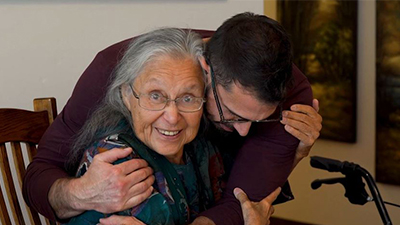
I worked with a daughter whose father had actually refused every form of assisted living. He accepted "a couple of days" of respite while she had surgery. In the small home, he found a fellow veteran at the breakfast table and found that the caregiver shared his love of baseball. The truth that somebody cheerfully helped him with socks and showering every early morning turned from humiliation into a running group joke about "pit crew service."
He returned home after two weeks, however the ice had actually broken. Six months later on, when his mobility intensified, he selected that same small home himself. It was no longer an abstract loss of independence. It was a particular location with faces, regimens, and relationships he currently knew.
Used in this manner, respite care becomes not only a support for the household however also a tool to minimize fear-based isolation.
Limitations and compromises of small care homes
Small is not instantly better. There are trade-offs that families need to weigh honestly.
Medical complexity is one. If someone requires constant nursing guidance, ventilator assistance, or complex injury care, a nursing home or specialized setting may be more secure. Not all small homes have the staffing or licensure to handle sophisticated needs, and some might rely greatly on outside home health agencies.
Cost is another aspect. In some markets, small homes are similar to mid-range assisted living, particularly when you factor in greater care levels. In others, they may be more pricey because of their staff-to-resident ratio and the lack of economies of scale. Households must look carefully at what is included and what triggers higher fees.
Social design matters too. An incredibly extroverted resident who thrives on big events, live performances, and group trips might feel restricted by a tiny peer group. On the other hand, someone with significant stress and anxiety or sensory level of sensitivity may find the small environment deeply calming.
Geography can be difficult. Not every town has well-regulated small care homes, and quality can vary widely. Licensing requirements vary by state, so households should do careful research rather than assume all "homes" run with the very same standards.
Recognizing these trade-offs keeps expectations sensible. For the ideal individual, however, the benefits for both ADL assistance and solitude can far surpass the downsides.
Signs that a small senior care home may fit your relative
Here is a brief, useful way to think of fit:
- Your relative needs day-to-day aid with at least a couple of ADLs, however does not need 24 hour nursing or healthcare facility level care. They seem overloaded or withdrawn in big groups and prefer quieter, more familiar environments. Loneliness or seclusion at home is a major concern, even if home care services are already in place. Family caregivers are stretched thin and need relief, yet desire their loved one to stay in a setting that feels more like a home than a facility. Consistency of personnel and a low staff-to-resident ratio are high top priorities for you and your family.
These are not stiff requirements, simply patterns I see in households who ultimately say, "This type of home is precisely what we needed."
Questions to ask when touring small care homes
When you visit potential homes, move beyond sales brochures and look for the day-to-day truth. A couple of targeted questions can reveal a lot:
- Who will actually be assisting my loved one with bathing, dressing, and toileting, and the length of time have they worked here? What does a typical day look like for residents who are less social or who have mobility challenges? How do you see and react when someone starts separating in their space or refusing meals? How lots of residents are here, and what is the personnel coverage throughout the day, evenings, and nights? Can you inform me about a resident who was lonesome when they got here and how you supported them over time?
The method staff response is as important as the responses themselves. Look for specific stories, not vague reassurances. Notice whether locals appear unwinded, engaged, and properly groomed. Focus on small information like eye contact, tone of voice, and whether somebody moseying to the bathroom gets calm, client support.
Bringing it together: safety with genuine connection
At its best, senior care uses more than safety. It provides a method back into life for people who have actually been gradually pressed to the margins by disease, bereavement, and practical decline. Small senior care homes are one of the clearest examples of this possibility.
By keeping the census low, they allow personnel to move beyond job lists into true relationships. By embedding ADL support into shared regimens in a genuine house, they transform help with bathing, dressing, and meals into touchpoints of human contact instead of tips of loss. By prioritizing consistency and familiarity, they decrease both the useful dangers and the psychological strain of late life.
Not every older grownup will choose a small home. Not every region provides them. Yet for many households who feel caught in between unsafe self-reliance in your home and impersonal large facilities, these residential options open a third course: one where support with ADLs and the battle against isolation are not different goals, but parts of the same common, shared days.
BeeHive Homes of Abilene provides assisted living care
BeeHive Homes of Abilene provides memory care services
BeeHive Homes of Abilene provides respite care services
BeeHive Homes of Abilene includes ADA-compliant showers in resident bathrooms
BeeHive Homes of Abilene offers private bedrooms with private bathrooms
BeeHive Homes of Abilene provides medication monitoring and documentation
BeeHive Homes of Abilene serves dietitian-approved meals
BeeHive Homes of Abilene provides housekeeping services
BeeHive Homes of Abilene provides laundry services
BeeHive Homes of Abilene offers community dining and social engagement activities
BeeHive Homes of Abilene features life enrichment activities
BeeHive Homes of Abilene supports personal care assistance during meals and daily routines
BeeHive Homes of Abilene promotes frequent physical and mental exercise opportunities
BeeHive Homes of Abilene provides a home-like residential environment
BeeHive Homes of Abilene creates customized care plans as residents’ needs change
BeeHive Homes of Abilene assesses individual resident care needs
BeeHive Homes of Abilene accepts private pay and long-term care insurance
BeeHive Homes of Abilene assists qualified veterans with Aid and Attendance benefits
BeeHive Homes of Abilene encourages meaningful resident-to-staff relationships
BeeHive Homes of Abilene delivers compassionate, attentive senior care focused on dignity and comfort
BeeHive Homes of Abilene has a phone number of (325) 225-0883
BeeHive Homes of Abilene has an address of 5301 Memorial Dr, Abilene, TX 79606
BeeHive Homes of Abilene has a website https://beehivehomes.com/locations/abilene/
BeeHive Homes of Abilene has Google Maps listing https://maps.app.goo.gl/o3Y77dWyJmnFn3QcA
BeeHive Homes of Abilene has Facebook page https://www.facebook.com/BeeHiveHomesAbilene
BeeHive Homes of Abilene has an Youtube account https://www.youtube.com/@WelcomeHomeBeeHiveHomes
BeeHive Homes of Abilene won Top Assisted Living Homes 2025
BeeHive Homes of Abilene earned Best Customer Service Award 2024
BeeHive Homes of Abilene placed 1st for Senior Living Services 2025
People Also Ask about BeeHive Homes of Abilene
What is BeeHive Homes of Abilene monthly room rate?
The rate depends on the level of care that is needed. We do an initial evaluation for each potential resident to determine the level of care needed. The monthly rate is based on this evaluation. There are no hidden costs or fees
Can residents stay in BeeHive Homes of Abilene until the end of their life?
Usually yes. There are exceptions, such as when there are safety issues with the resident, or they need 24 hour skilled nursing services
Does BeeHive Homes of Abilene have a nurse on staff?
No, but each BeeHive Home has a consulting Nurse available 24 – 7. if nursing services are needed, a doctor can order home health to come into the home
What are BeeHive Homes of Abilene's visiting hours?
Visiting hours are adjusted to accommodate the families and the resident’s needs… just not too early or too late
Do we have couple’s rooms available?
Yes, each home has rooms designed to accommodate couples. Please ask about the availability of these rooms
Where is BeeHive Homes of Abilene located?
BeeHive Homes of Abilene is conveniently located at 5301 Memorial Dr, Abilene, TX 79606. You can easily find directions on Google Maps or call at (325) 225-0883 Monday through Sunday 9am to 5pm
How can I contact BeeHive Homes of Abilene?
You can contact BeeHive Homes of Abilene by phone at: (325) 225-0883, visit their website at https://beehivehomes.com/locations/abilene/, or connect on social media via Facebook or YouTube
Residents may take a trip to the The Grace Museum The provides art and cultural displays that make for meaningful assisted living or memory care excursions as part of senior care and respite care.